
Something shifted in the last few years about how people choose where to go when they need rest.
It used to be enough to book a spa weekend somewhere warm, or a yoga retreat that looked nice on Instagram. The location itself didn't matter much. As long as there were green juices and ocean views, it counted.
But that's changing. The luxury wellness destinations people are looking at now aren't chosen for their aesthetics or their newness. They're chosen because of what they allow you to feel when you're there. Because of the kind of quiet they offer. Because the environment itself becomes part of the recovery.
2026 isn't bringing a wave of new wellness resorts or trendy hotspots. What it's bringing is a return to places that have always known how to hold space for rest, healing, and depth. Places where the infrastructure supports something more than relaxation. Where you can stay long enough to actually change how you feel.
This isn't about escaping for a long weekend. It's about going somewhere that gives you room to reset in ways that last.
What Makes a Destination a Best Luxury Wellness Destinations 2026
The definition of luxury in wellness has become quieter.
It's not about marble bathrooms or Michelin-star meals anymore. Those things might be there, but they're not the point. What matters now is whether a place can give you space. Real space. The kind that lets your nervous system settle before you even think about a treatment or a class.
Privacy has become the baseline. Not the kind that comes from high walls or exclusive access, but the kind that comes from geography. From being far enough away that you're not overhearing other people's conversations at breakfast. From having enough land around you that silence is the default, not something you have to request.
Access to nature matters more than proximity to landmarks. People aren't choosing destinations based on what they can see or do there. They're choosing based on what the land itself feels like. Whether there are mountains or forests or ocean close enough to walk to. Whether the air is different. Whether being outside feels restorative instead of optional.
The teachers and healers matter more than the brand. Luxury wellness travelers in 2026 are looking for lineage and depth. They want to work with someone who's been practicing for decades, not someone who just finished a certification. They care about who's leading the breathwork or the meditation or the movement session, and whether that person has something real to offer.
Infrastructure that supports rest has become more important than infrastructure that impresses. This means reliable electricity and clean water, yes. But it also means spaces designed for quiet. Kitchens that can handle dietary restrictions without drama. Staff who understand that some guests don't want to be social. Rooms that feel private and grounded, not styled for a magazine.
Best Luxury Wellness Destinations to Watch in 2026
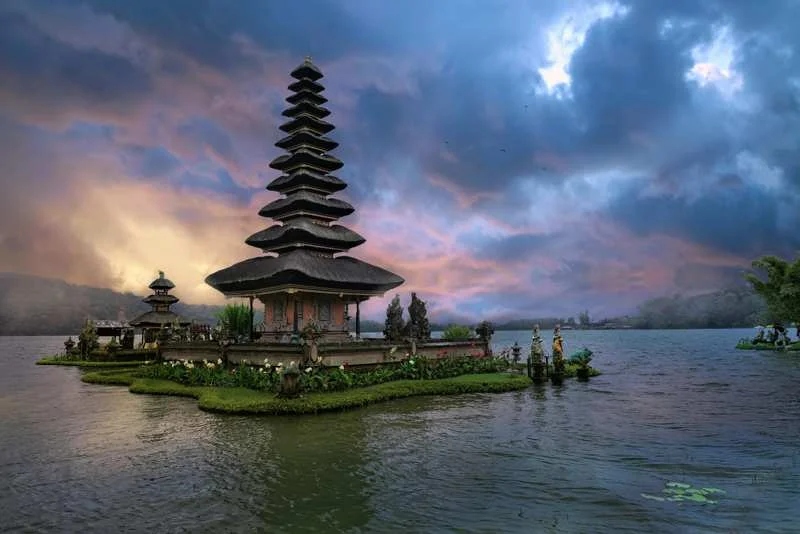
Bali
Bali has been on wellness lists for years, but the island people are going to now is not the same one they went to five years ago.
The shift has been toward the interior and the north. Away from Seminyak and Canggu, where wellness became a brand instead of a practice. The people showing up in Ubud and beyond now are staying longer. A month, sometimes two. They're renting villas with kitchens and working remotely while seeing a healer three times a week.
What's emerging here is a network of serious practitioners who've been working quietly for decades. Balinese healers, Vedic astrologers, somatic therapists who relocated from the West and stayed. The wellness here isn't packaged. It's something you have to look for, and that's part of why it works.
The island supports a certain kind of depth. The spirituality is embedded in the culture, not imported for tourists. The food is clean and simple. The land itself feels alive in a way that's hard to describe until you've been there.
This is where people go when they need to rebuild something foundational. When rest isn't enough and they need to actually examine what brought them to burnout in the first place.
Thailand
Thailand has always had infrastructure for wellness, but in 2026 the focus has moved.
Koh Samui still has its detox centers and luxury spas, but the travelers heading there now aren't looking for quick fixes. They're going for longer programs. Medical-grade fasting supervised by doctors. Ayurvedic treatments that take two weeks to complete properly. Vipassana meditation in settings that feel more like monasteries than resorts.
Chiang Mai has become a base for people who want access to traditional Thai medicine without the beach resort overlay. The city is full of practitioners who trained in the old lineages. The cost of living is low enough that you can stay for a month and work with someone consistently.
What makes Thailand relevant in 2026 is the combination of ancient practice and modern medical oversight. You can get bloodwork done and see a functional medicine doctor, then go to a temple for a blessing. The systems coexist without conflict.
The travelers choosing Thailand now tend to be methodical. They're not chasing an experience. They're addressing something specific. Chronic illness. Autoimmune conditions. Nervous system dysregulation that hasn't responded to Western approaches.
India
India has never tried to make wellness palatable for Western audiences, and that's becoming its strength.
Kerala remains the center for authentic Ayurveda. Not the spa version, but the real thing. Panchakarma treatments that last three weeks and involve daily oil massages, herbal medicines, and dietary restrictions that feel extreme until you understand the logic behind them.
Rishikesh continues to draw people who want to study yoga as a spiritual practice, not a fitness trend. The ashrams here are basic. Cold water, simple food, early mornings. But the teachers are legitimate, and the Ganges is right there, and something about the place makes it easier to let go of the life you left behind.
What's shifting in India is the infrastructure around these traditional centers. There are now a handful of properties that offer the depth of authentic practice with the comfort level that allows Westerners to stay long enough to benefit. Clean rooms, filtered water, staff who speak English. Small things that make a monthlong stay possible instead of punishing.
The people going to India in 2026 are looking for transmission. They want to study with someone who holds a lineage. They're willing to be uncomfortable if it means access to something real.
Europe
Europe has entered the luxury wellness space quietly, and its strength is in integration.
The Alps have always had medical spas, but what's happening now in Switzerland and Austria goes deeper than hydrotherapy and mountain air. There are clinics combining functional medicine with fasting protocols, longevity research with traditional European spa culture. The approach is clinical but not cold. Precise but not sterile.
Portugal has become a destination for people who want to rest without spirituality being the frame. The coast is beautiful and undeveloped in places. The food is simple and good. There are properties designed for writers and artists who need quiet more than they need yoga.
The Mediterranean has private islands and estates being used for small group retreats. Not the kind with a packed schedule, but the kind where the entire point is unstructured time. Long meals, walks, afternoon naps, optional movement classes. The luxury here is in having nothing you have to do.
Europe works for people who want wellness integrated into an intelligent, cultured environment. Where you can see a doctor in the morning and visit a museum in the afternoon. Where the food is treated seriously and the wine is good and no one is telling you that pleasure is incompatible with health.
Maldives
The Maldives has always been about luxury, but wellness there has become more serious.
The resorts that matter now aren't the ones with the best underwater restaurants. They're the ones with medical directors on staff. With programs for hormonal health and metabolic reset and longevity. With enough privacy that you can spend a week not seeing anyone else if that's what you need.
What the Maldives offers is complete isolation without feeling remote. The infrastructure is reliable. The service is professional. You can be entirely alone while still having access to everything you might need.
The ocean here does something to people. The color of the water, the way sound travels differently, the absence of visual noise. It's not just pretty. It's restorative in a way that's hard to replicate anywhere else.
This is where people go when they need to stop completely. When the nervous system is so fried that even a beautiful place with a full schedule would be too much. The Maldives allows for the kind of rest that involves doing almost nothing, and it holds that space without judgment.
Costa Rica
Costa Rica has been a wellness destination for years, but it's maturing.
The jungle retreats here have moved past the backpacker vibe. There are properties now with serious infrastructure. Proper buildings, reliable water, staff trained in trauma-informed care. The settings are still wild, but the operations are professional.
What's emerging is a focus on plant medicine work done responsibly. Not ayahuasca tourism, but long-term programs with integration support. Therapists on site, small groups, careful screening, preparation that takes weeks.
The land itself supports deep work. The jungle is loud and alive. The ocean is close. There's something about being in a place where nature is so present that makes it easier to access parts of yourself you've been avoiding.
Costa Rica attracts people who are ready to do something difficult. Who know that real healing isn't comfortable and are willing to be in it anyway. The wellness here isn't gentle. It's honest.
Why These Destinations Are Gaining Attention Now
The way people are traveling for wellness in 2026 reflects a broader exhaustion.
Burnout is no longer an individual problem. It's systemic. And the short fixes don't work anymore. A weekend at a spa doesn't touch the kind of depletion people are carrying. Neither does a week of yoga in a beautiful place if you're back at your desk the following Monday doing exactly what you were doing before.
What's changed is the recognition that recovery takes time. That nervous system healing doesn't happen in three days. That if you want to feel genuinely different, you need to be somewhere different long enough for your body to believe it's safe to rest.
Longer stays are becoming standard. Not a week, but three weeks. A month. Sometimes more. People are building their work around these trips instead of the other way around. Remote work has made this possible, but it's the desperation for real rest that's making it happen.
Health has become the foundation instead of a feature. People aren't going to these destinations to add wellness to their lives. They're going because their lives have become unsustainable and they need to rebuild from a different baseline.
There's also a quiet move away from crowded wellness hubs. Tulum has become too loud. Ibiza too chaotic. The places people valued five years ago feel overrun now. The destinations that matter in 2026 are the ones that haven't been discovered yet, or the ones that were always there but never tried to become trendy.
The Role of Wellness in Destination Choice
Wellness used to be something you did on vacation. Now it's the reason for the trip.
Preventative health has moved to the center. People are going to these destinations to address things before they become problems. To work on hormone balance, metabolic health, immune function. To reset patterns before they harden into chronic conditions.
Nervous system recovery is being treated as seriously as physical injury. There's an understanding now that stress has cumulative effects. That your body keeps score. That you can't think your way out of dysregulation. The destinations people are choosing offer environments where the nervous system can actually settle. Quiet. Space. Routine. Safety.
Mental quiet is being prioritized over mental stimulation. The luxury wellness traveler in 2026 isn't looking for adventure or novelty. They're looking for simplicity. For days that have rhythm instead of surprises. For environments where they don't have to make decisions or be entertained.
Emotional space is part of the offering now. Properties are training staff to recognize when someone needs to be left alone. Schedules are being designed with emptiness built in. The assumption that more is better has been replaced with the recognition that sometimes nothing is exactly what someone needs.
Spiritual practices are available without dogma. Meditation, breathwork, ritual, ceremony. These things are being offered in ways that don't require belief or identity. You can practice without converting. You can benefit without becoming someone you're not.
Technology is present but discreet. The luxury wellness destinations that work understand that people need to stay connected to some degree. But the WiFi doesn't reach the treatment rooms. The phones stay in the rooms during meals. There's infrastructure for connectivity that doesn't dominate the environment.
Who These Destinations Are Really For
The people choosing these luxury wellness destinations in 2026 aren't who you might expect.
They're not wellness influencers or spiritual seekers or people who already live a yogic lifestyle. They're the people who ran themselves into the ground and finally admitted they can't keep going.
Entrepreneurs and founders who built something and then realized they'd destroyed their health in the process. Who have the money to go anywhere but need somewhere that actually works. Who are past the point of caring what something looks like and only care whether it will help.
Executives and decision-makers who've been carrying responsibility for years without pause. Who are good at their work but can feel that something essential is missing. Who need to remember what they feel like when they're not performing.
Creatives and independent thinkers who've been moving fast for a long time and need to slow down without losing themselves. Who want space to work differently, not to stop working entirely.
People who are tired of noise but not tired of life. Who still want depth and meaning and connection, but need it to be quieter. Who are looking for environments that don't demand anything from them while still offering something real.
How Travelers Are Choosing Destinations Differently
The decision-making process for luxury wellness travel has become more thoughtful.
Environment comes before itinerary. People are looking at geography, climate, proximity to nature. They're asking what the land feels like, not what activities are available. The question isn't what you can do there. It's what the place will allow you to feel.
Teachers and lineages matter more than brand names. Travelers are researching who's offering the programs, not just where. They want to know how long someone has been practicing. Whether they trained in a traditional lineage or created their own system. Whether other people who've worked with them had real results.
Smaller groups and slower pacing have become the standard. The luxury wellness traveler in 2026 doesn't want to meet twenty new people. They want to work in groups of six or eight, or privately. They don't want a schedule that runs from morning to night. They want time built in for integration and rest.
Long-term value has replaced short-term escape. The question isn't whether a destination feels good in the moment. It's whether the changes that happen there will last. Whether the practices you learn can be brought home. Whether the reset is deep enough to shift your baseline, not just give you a break.
Closing Thoughts
The luxury wellness destinations that matter in 2026 aren't trying to impress anyone.
They're not new. They're not trendy. They haven't been designed to photograph well or attract attention. They're just places that happen to hold the right conditions for people to rest in ways that feel real and lasting.
What's shifting is that more people are ready for that. Ready to admit they need more than a vacation. Ready to stay long enough to feel different. Ready to prioritize their health over everything else, even if just for a few weeks.
The places listed here aren't recommendations in the traditional sense. They're observations of where serious wellness travelers are already going. Where the infrastructure and the environment and the practitioners have aligned in ways that allow for genuine recovery.
Luxury Wellness Retreats exists to help people find these places. Not to sell them on wellness travel, but to connect them with destinations and programs that might actually work. The focus is on depth, privacy, and lasting change. On environments that support real rest, not just the appearance of it.
The people who need these places already know they need them. The only question is where to go, and whether the place they choose will hold space for the kind of healing they're looking for.